When one mentions the land of freedom, the place where opportunities abound, and a continent where milk and honey flows, many will be tempted to think of the United States of America. Even with President Donald Trump’s America-first and anti-immigration policies, many still dream the American dream.
Recently though, the emergence of other economic powers such as China, Russia and Europe has made many question if America is still the “super power” or the “policeman of the world”.
At the Kampala Geopolitics Conference held at Makerere University on 26 -27 October 2018, a panel of analysts, journalists and consultants got together to discuss the issue under the topic, USA: Not the policeman of the world anymore? Implications of the Trump Presidency on global power relations.
Pascal Boniface, the Founding Director, IRIS, France, started off on an unapologetic note by declaring that America is not great anymore.
“When Trump says let’s make America great again, it’s a recognition that America is not as great,” he said.
Boniface argued that United States is now isolated and only relies on proxies to exert influence, a situation he attributes to Trump’s pursuit of “America First” policy.
“Wanting to be first is wanting to be alone.”
President Trump has been accused of undoing some strides by his predecessors, as he seeks to leave a mark attributable to him. Boniface thinks this endeavor is akin to “jumping into a machine and going back to the 60s when there was no real challenge for the US”.
Will it work though?
“Reality is stronger than ideology. Trump will fail because no country will allow to be relegated. Trump is destroying US soft power. Sooner or later, the US will regret. Trump is making the US weaker again,” Boniface said.
So, if Trump fails to make America great again, will another superpower succeed in making their own continent or country great; will they succeed in becoming the world’s policeman?
Angelo Izama, a journalist, political analyst and regional security consultant thinks the world doesn’t even need a “class monitor”.
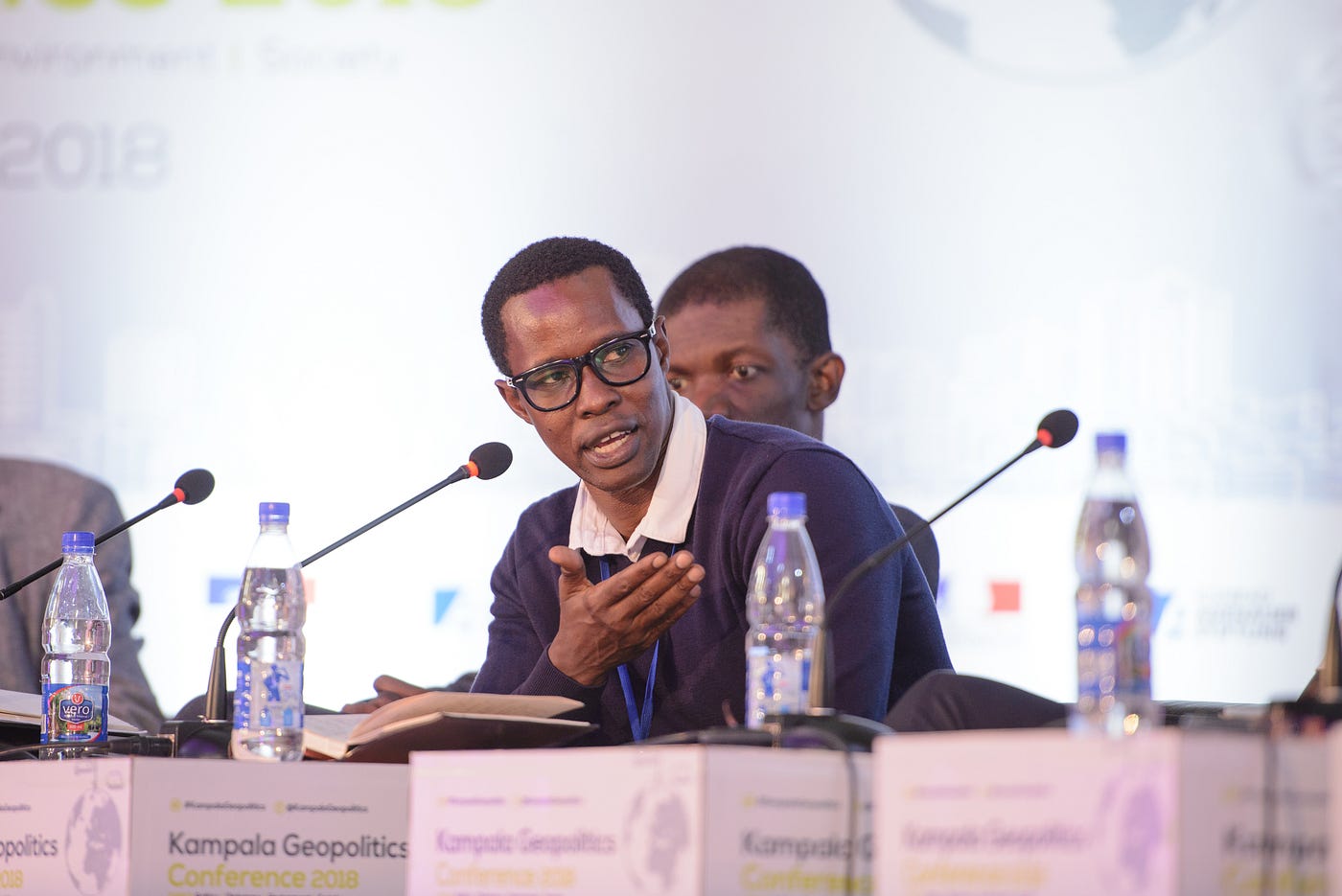
“The world doesn’t need a world policeman anymore. Some of the things we are seeing being done under Trump has helped us rethink our issues, e.g., identity politics.”
He added: “The idea that you need a policeman to make you behave is toxic.”
Izama thinks that “Trump’s policy of America First, of isolationism, is dangerous for Africans.”
Contrarily, Robert Kirunda, a lecturer at Makerere University School of Law, thinks the world shouldn’t think too much into Trump’s isolationist policies.
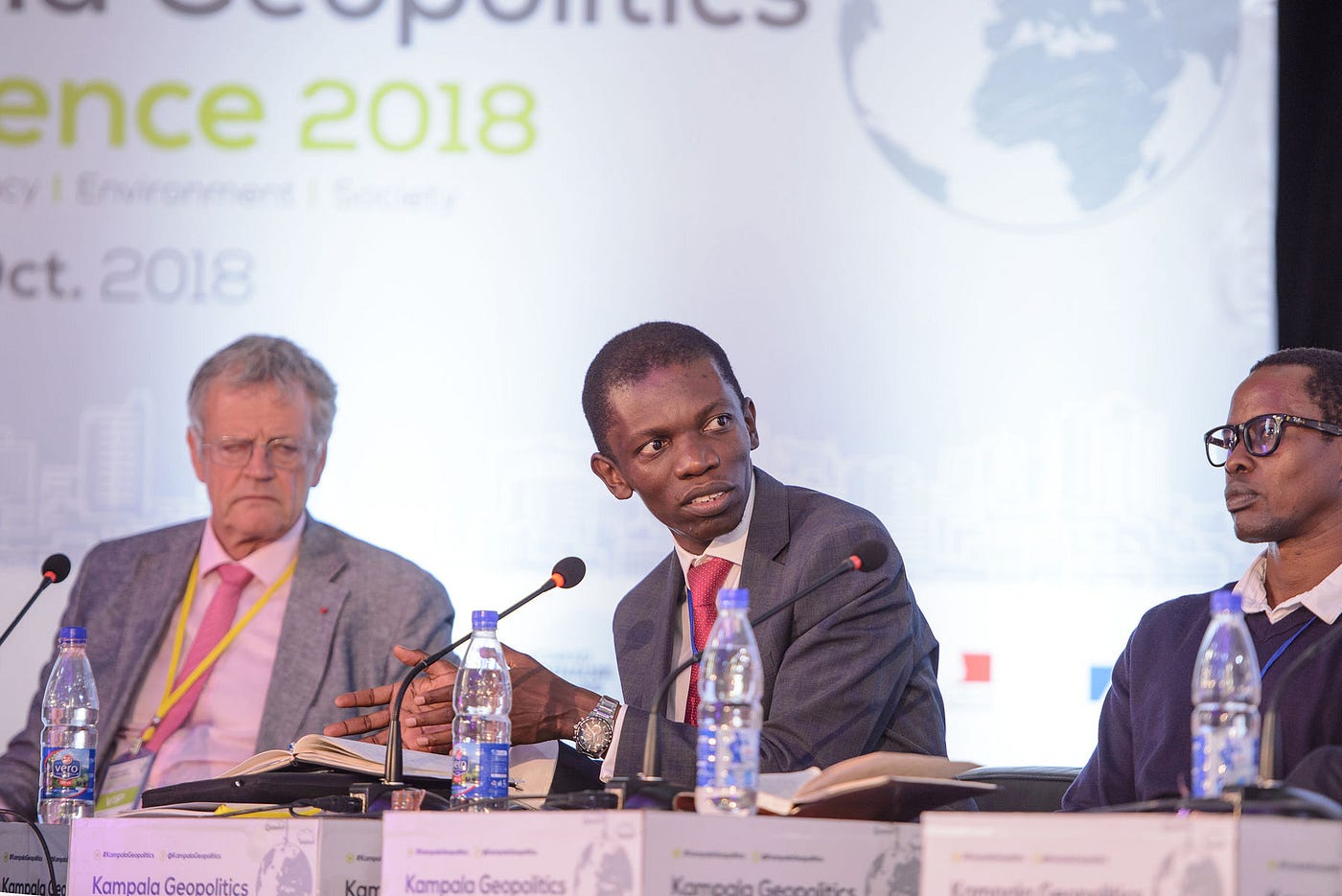
“I don’t think Trump has intelligent policies on America First,” he said. “The office of the President is a big deal anywhere in the world. But how do you deal with a president who can’t help himself against Twitter?
Kirunda believes that the factors realigning the world “has very little to do with America first”.
And instead of sweating over America’s exclusionist policies, Kirunda thinks Africa should worry about how it will reposition itself in the new world order.
“What are you doing to prepare for a disrupted world in future?” he asked. “We shouldn’t be saying, ‘what has European Union done for us?’ Foreign policy is selfish in nature.”
The increasing move by America to focus within and secure its interest, has been followed by a corresponding disinterest in Africa. In fact, Izama noted that Somalia and Sudan are the few key interests for the Trump administration. However, there’s been growing interest in the continent by other economic powers, notably China, in what has been described as the second scramble for Africa.
Irene Ikomu, the Program Development Consultant, Heinrich Boell Foundation, thinks the label for this phase doesn’t matter but how Africa positions itself.
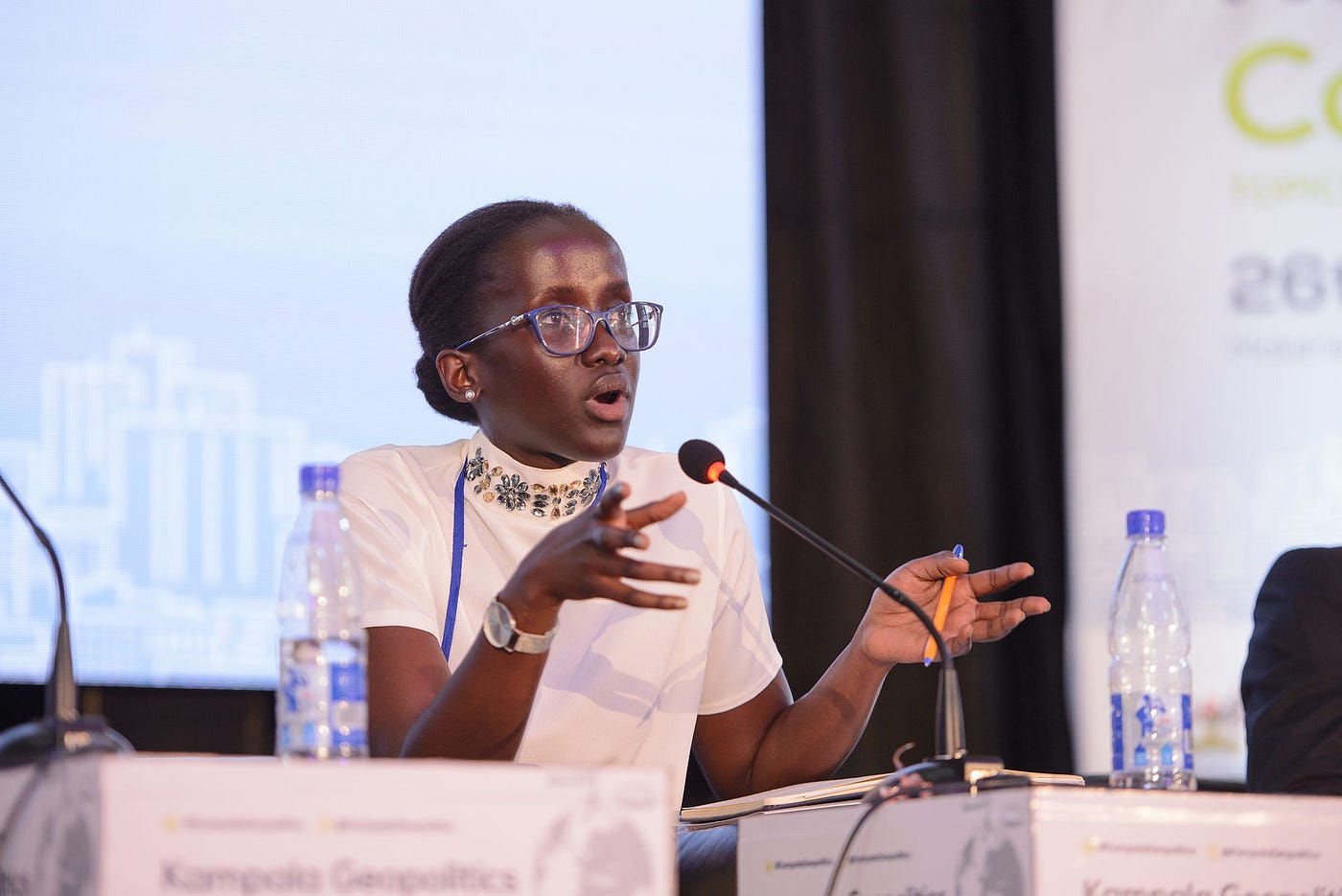
“We can look at this as a new scramble for Africa or a new opportunity,” she said.
Perhaps one way of positioning is by “encouraging dialogue and multinationalism” with the different emerging super powers, according to Samuel Carcanague, Researcher, IRIS, France.
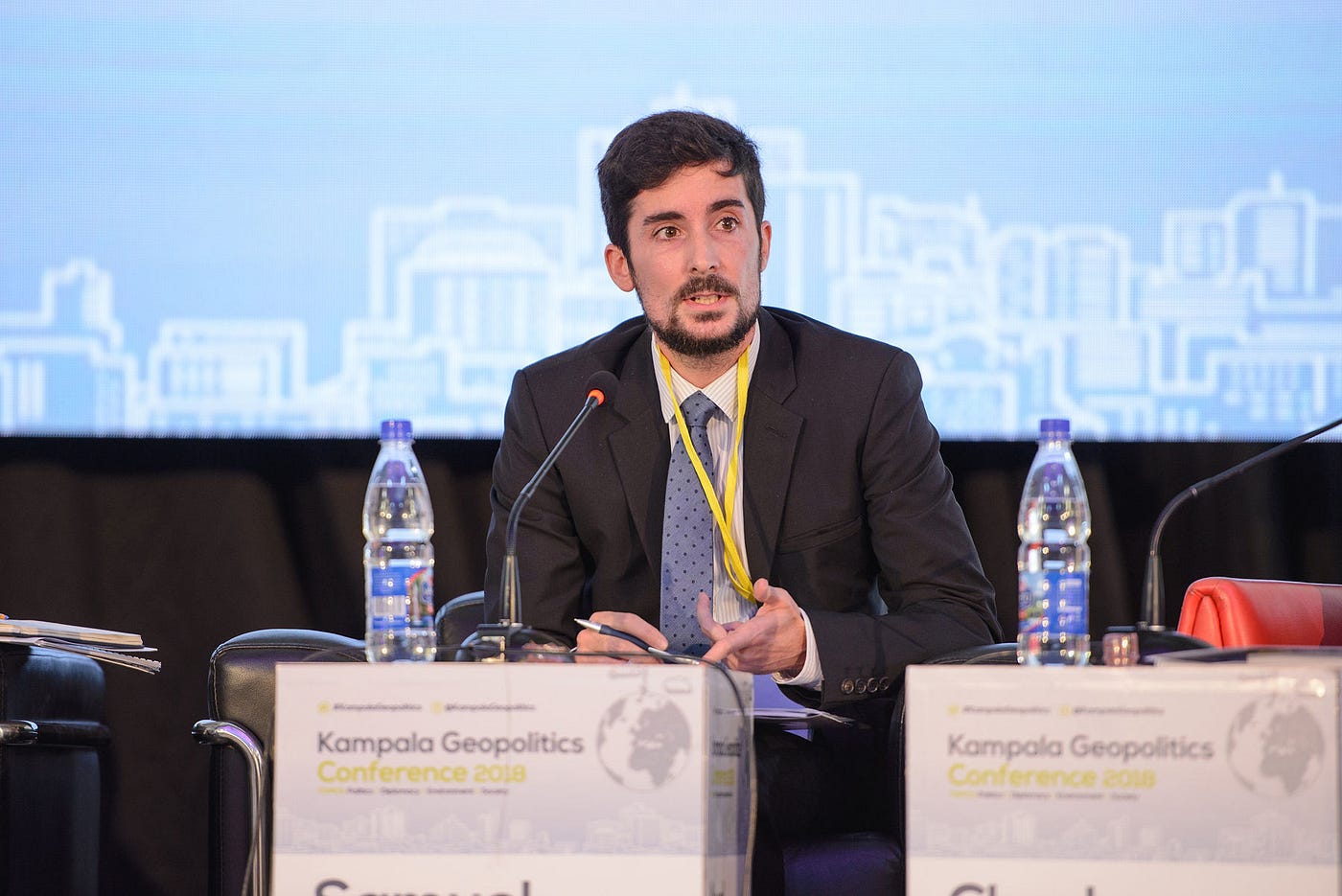
“China is the businessman of the world. America is leading in new technology,” he said.
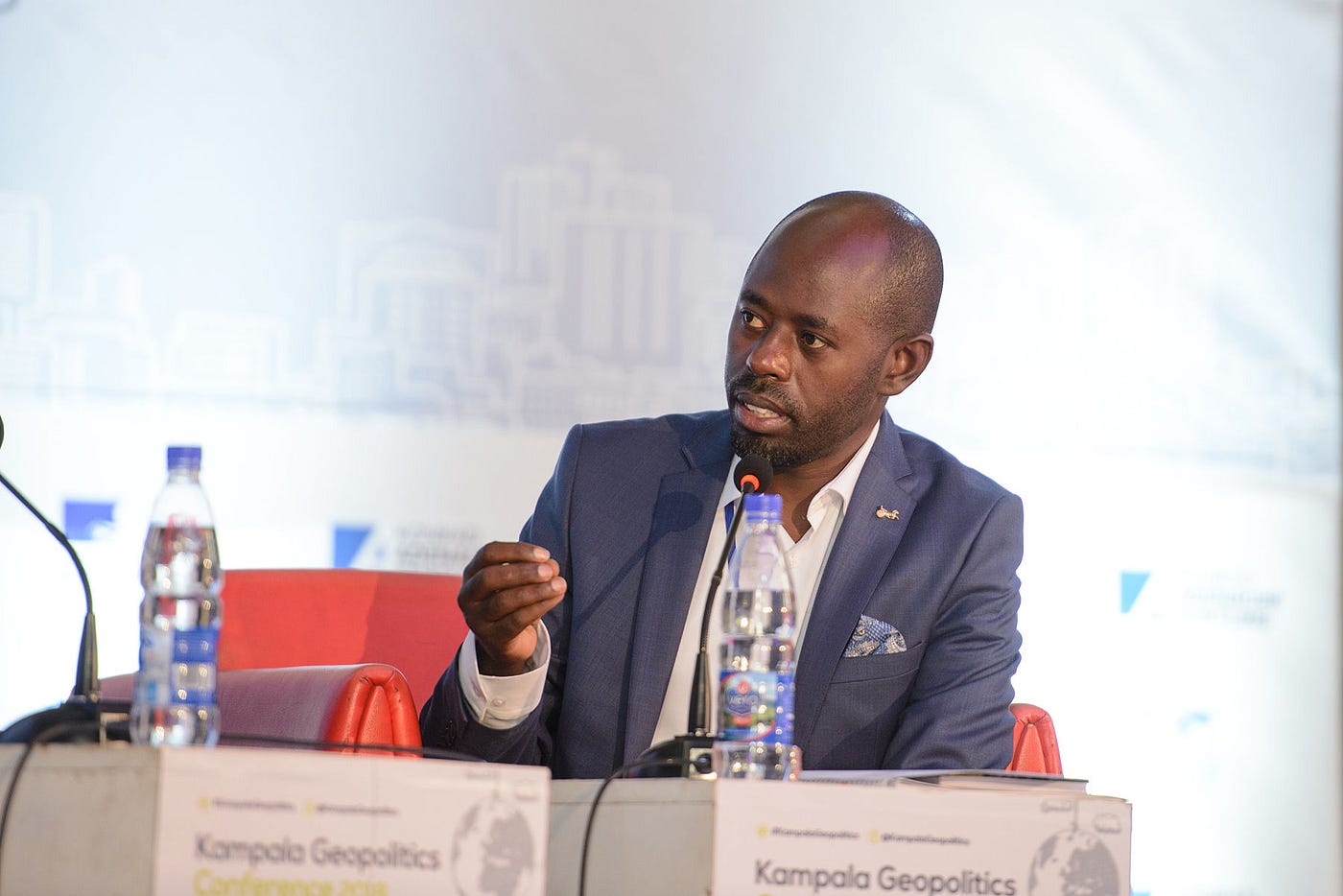
Audience comments
Eric Tusiime: We are blaming the US and EU without cleaning our own house. African problems are supposed to be solved by Africans. Before we criticize anything, let’s get organized.
Solomon Ocunguru: No one wishes Africa progress or development. We are here sharing our wisdom. These people will go back and rethink how to conquer us. In order to survive, we should nuclearize Africa.
Sarah Mirembe: I’m really concerned when Pascal Boniface says the US is not the world policeman anymore. I need an alternative.
Michael Okwera: Most developments in Uganda are completed by aid, donations, etc. You cannot stand with the UK and say, I don’t want US as my policeman when the UK is better than Uganda economically and can stand on its own.
Milton Muto: What we see in the US, could it be a crack in the fellowship of injustice? In Africa, do we have any leader who can tackle things that are unjust?
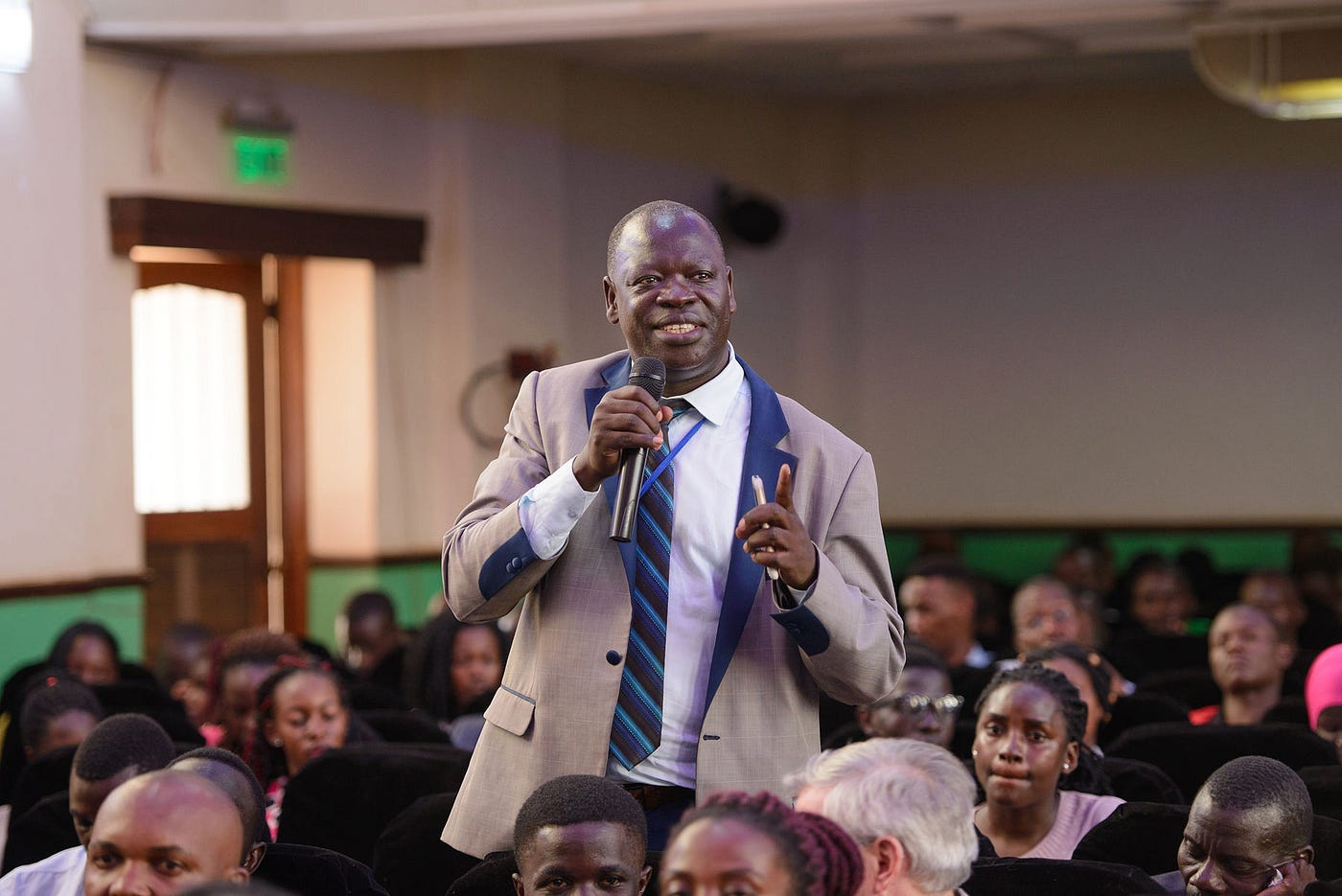
If the phrase, “the youth are the future” were a song chorus, it would be the most remembered and definitely the most sang. The phrase carries the promise that young people will be in charge in future, it provides hope, that things will be better for young people in tomorrow once things are done right today.
But are things being done right? Is the current generation giving hope to the young people? What happens when the older generation is not keen on passing the mantle to young people?
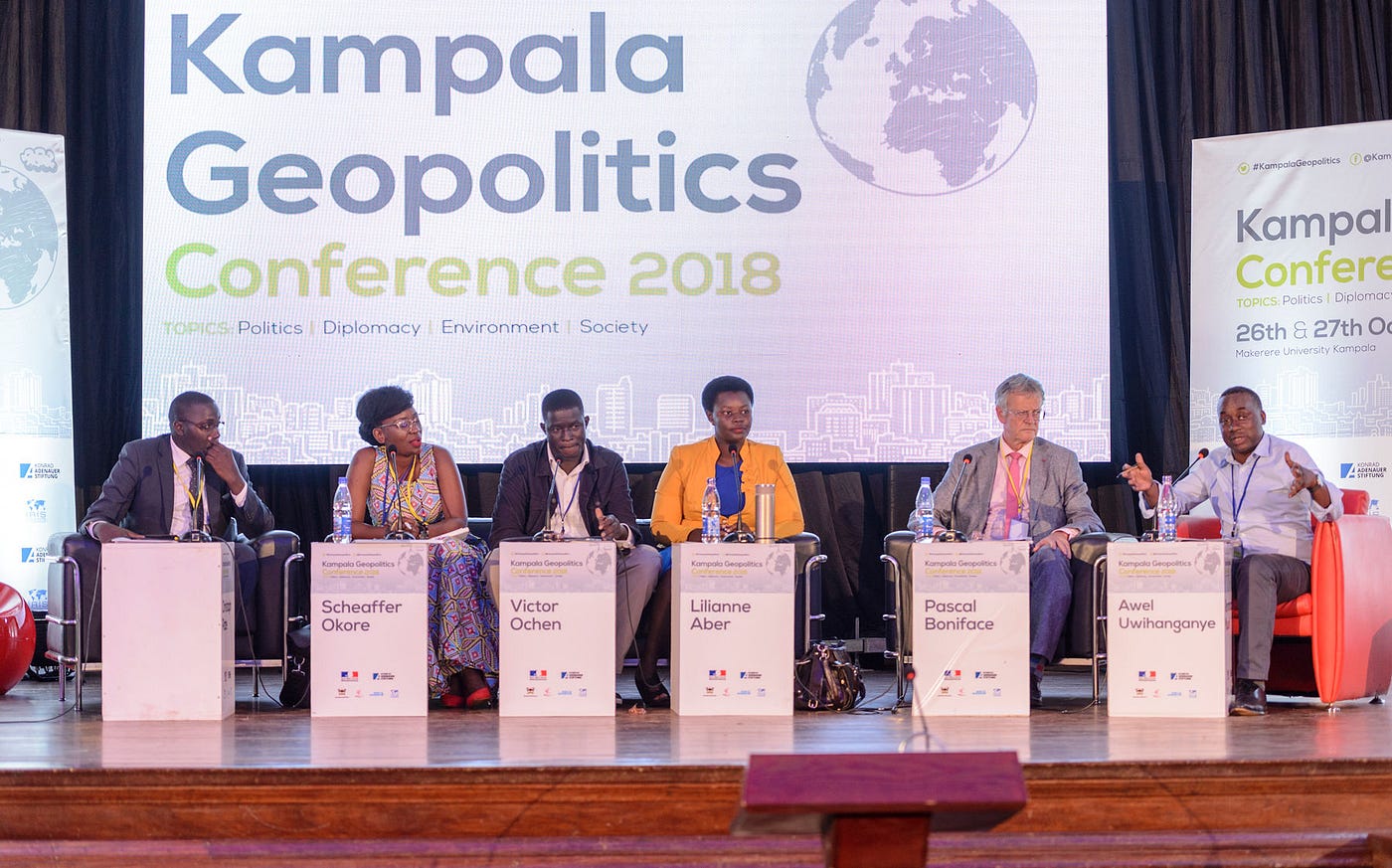
At the Kampala Geopolitics Conference organized by Konrad Adenauer Stiftung and the French Embassy on 26 -27 October 2018 at Makerere University, five panelists tackled the above questions under the theme; Youth is the future: what are we doing to give hope to the young generation?
Ivan Bwowe, a lawyer and former Guild President Makerere University, was unrepentant about his dislike for the phrase, “the youth are the future”.

“The promise that the youth are the future has been vulgarized. Some colleagues of ours have been telling us for the last 32 years that youth are the future; even before we were born,” he said.
Bwowe also blames Uganda’s education system for failing to equip young people with skills and knowledge they require.
“We are trained from childhood to pass exams. The education system should allow all of us to flourish, not a few of us,” he said.
He stressed the need for African governments to look at young people as an asset, after all they make more than half the population of most countries on the continent.
“African governments consider us a liability. We are the most endangered species that is a majority.”
Victor Ochen, the Executive Director AYINET, concurs, noting that government policies and actions must at all times protect the vulnerable people in society otherwise the cycle of unemployment among young people will not get broken.
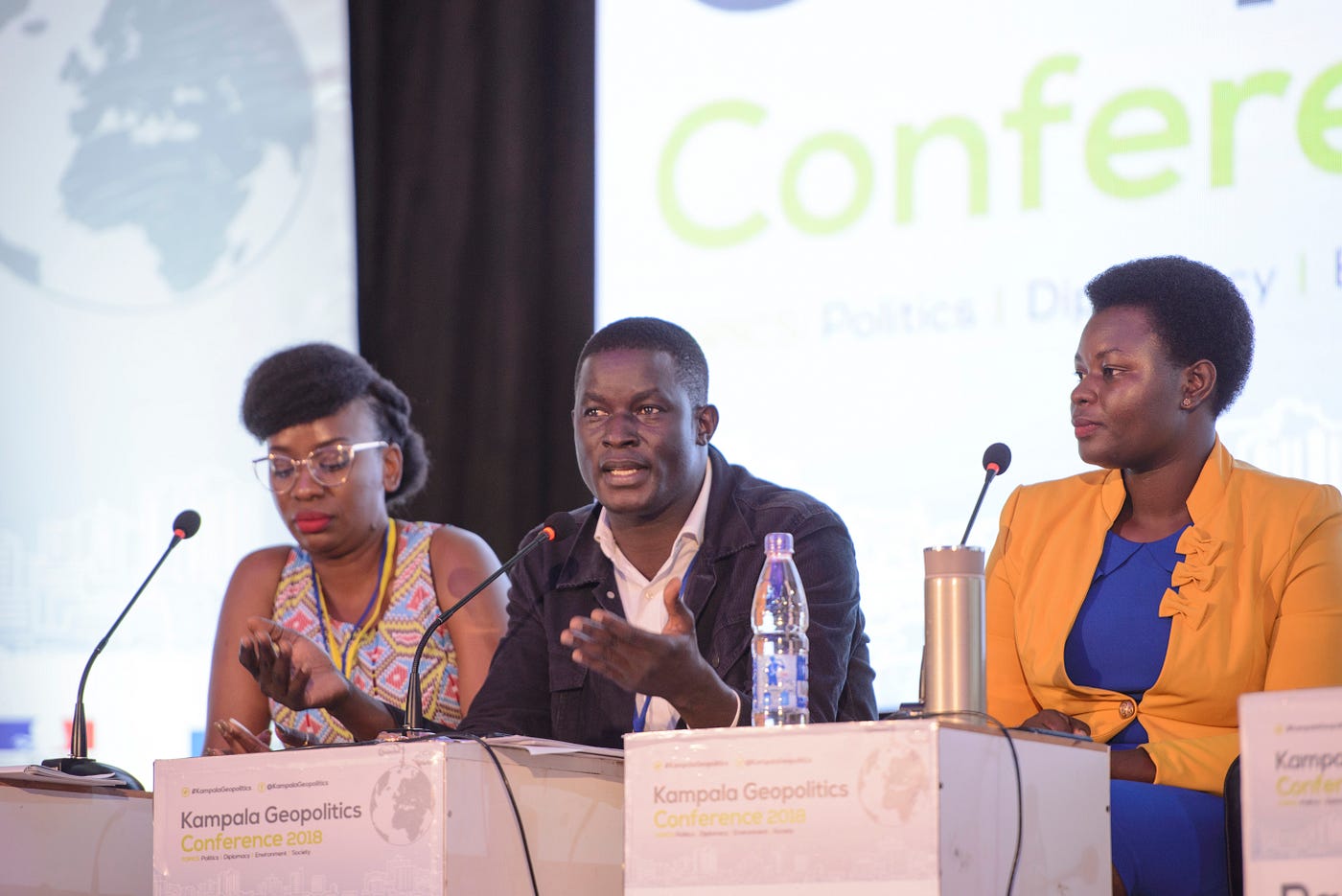
“After studying, youths fail to get jobs and people start asking, did you study unemployment? But there are people in this country who have 10 jobs, jobs that are for the same family, jobs that are for people from the same region,” Ochen lamented.
The 2015 Nobel Peace Prize nominee underscored the need for home-based solutions to issues afflicting young people, especially on the African continent.
“Why is it that when we have issues, we go to protest with our flags at the United Nations? We never see a Frenchman protesting here.”
He added: “I had to work all my life to get where I am today. Whenever I go abroad and come back home, people ask why I keep returning or if I have forgotten something here. I tell myself, it there’s poverty chasing young people out of the continent, it’s the reason I should stay.”
Ochen, who lived through the Lord’s Resistance Army war in northern Uganda, and did manual jobs including as a shoe cobbler, said no job is small.
“We need to move away from the politics of poverty where we make people poor so that you suppress them.”
Scheaffer Okore, the Vice Chairperson, Ukweli Party and Head of Programs at Siasa Place, Kenya, thinks that it’s unrealistic for governments to keep telling young people to entrepreneur themselves out of unemployment and yet systemic bureaucracy stands in the way.

She said government also needs to be very honest about its spending otherwise opportunities for young people will continue to shrink.
“You can’t have a big government and then tax people to fund those who are not even doing their job.”
Okore also appealed for honesty in demands that people make of young people, and for those in power to stop holding young people hostage owing to the roles they played in the past.
She said: “I hate the glamorization of the struggle. Don’t glamorize structural failure. We don’t have to go through the same struggle our forefathers went through as young people; it would mean they all failed us.
“Everybody is responsible for making the youth hopeful. Everybody wants you to have a voice, to be courageous until you stand up to them.”
However, Lillian Aber, the Chairperson National Youth Council, Parliament of Uganda and senior presidential advisor on youth affairs, believes that young people need to work on their attitude if things are to get better for them.
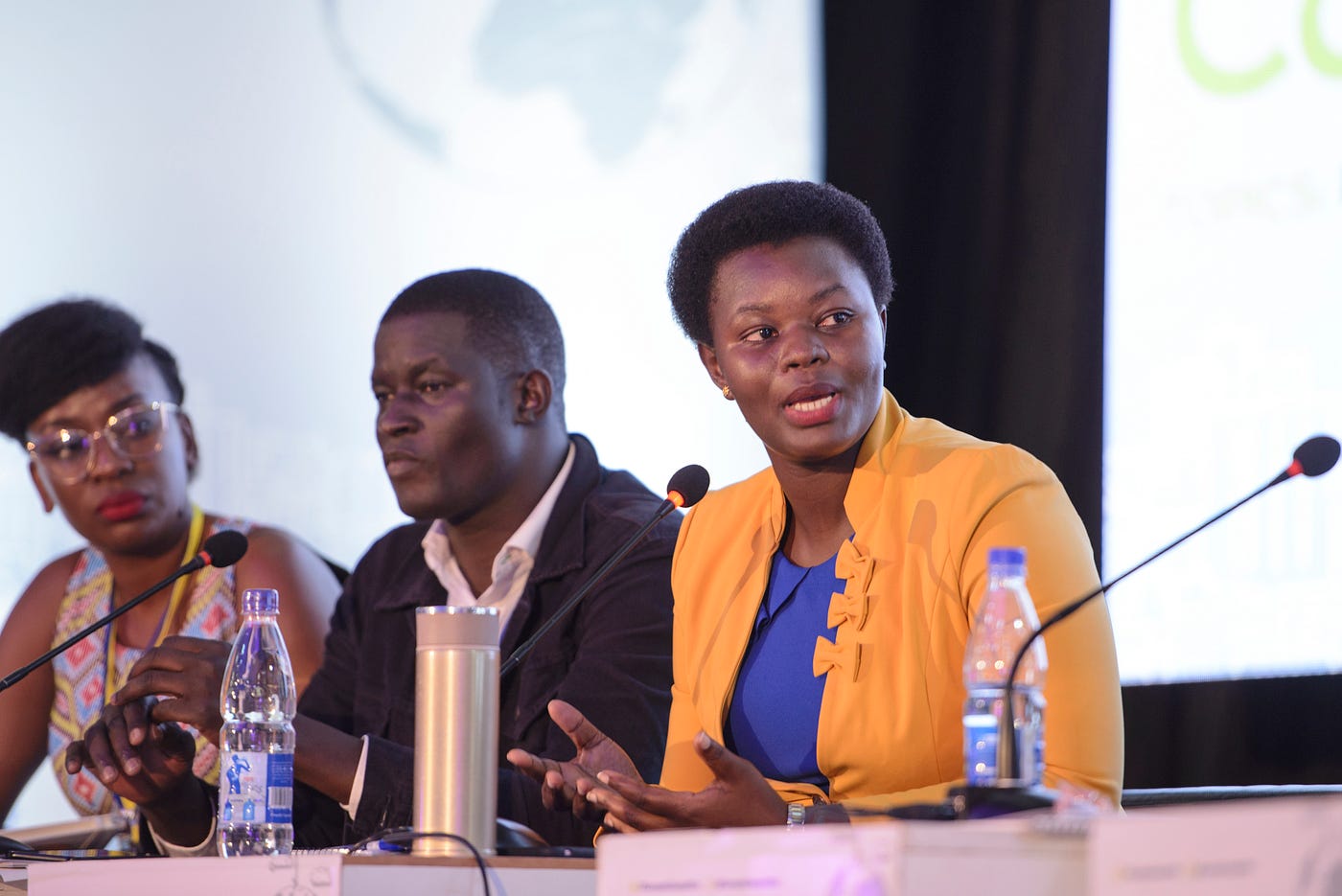
“What young people need is to be organized. We need to define what we need. We have the numerical strength. It starts with us. It starts with what attitude we have,” she said.
Aber said while several employment issues exist, including underpayment and underemployment, taking the initiative should be a must, because the country “needs young people in key positions of decision making”.
“No one is going to get you out of bed and give you a job.”
Pascal Boniface, the Founding Director IRIS, France, noted that in his country, the more educated a young person is, the more hopeful they are about their future.
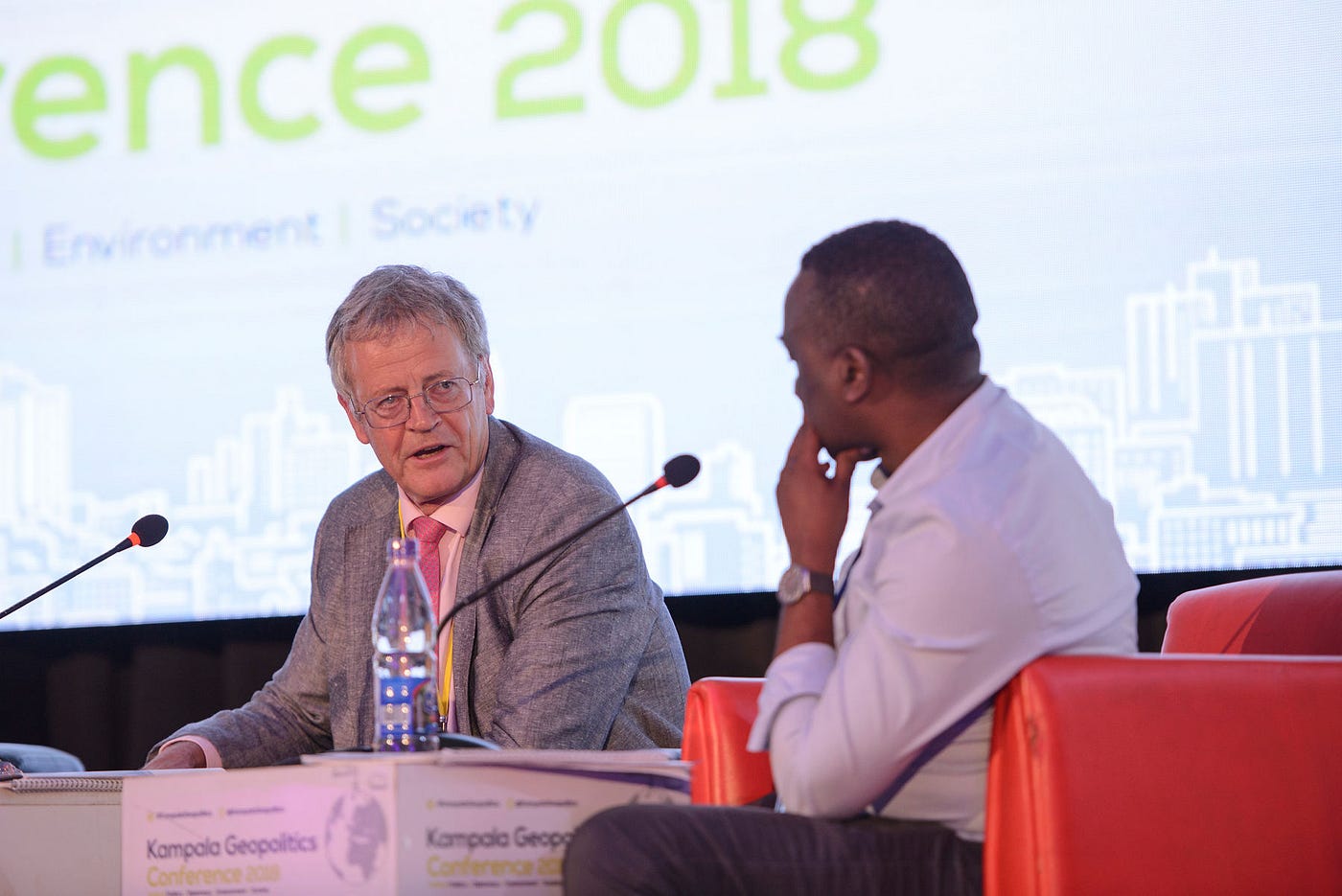

A panel at the Kampala Geopolitics Conference held at Makerere University on 26–27 October 2018, explored this issue under the topic; Alpha males, new comers and populists: what leaders are we craving.
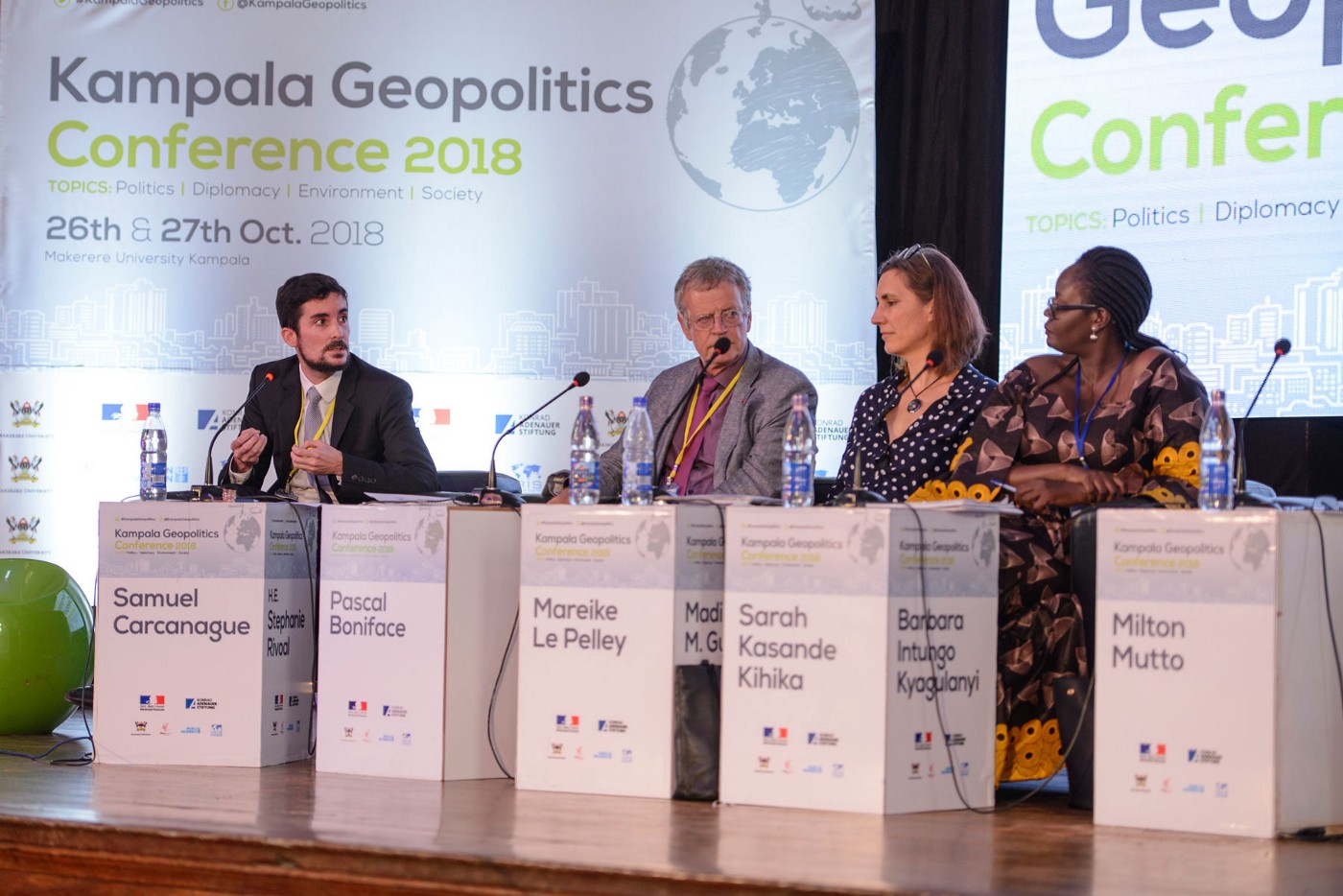
Milton Mutto, the Executive Director, Princer Training and Research Institute, Uganda, said populist leaders are becoming many because people are asking the tough questions.
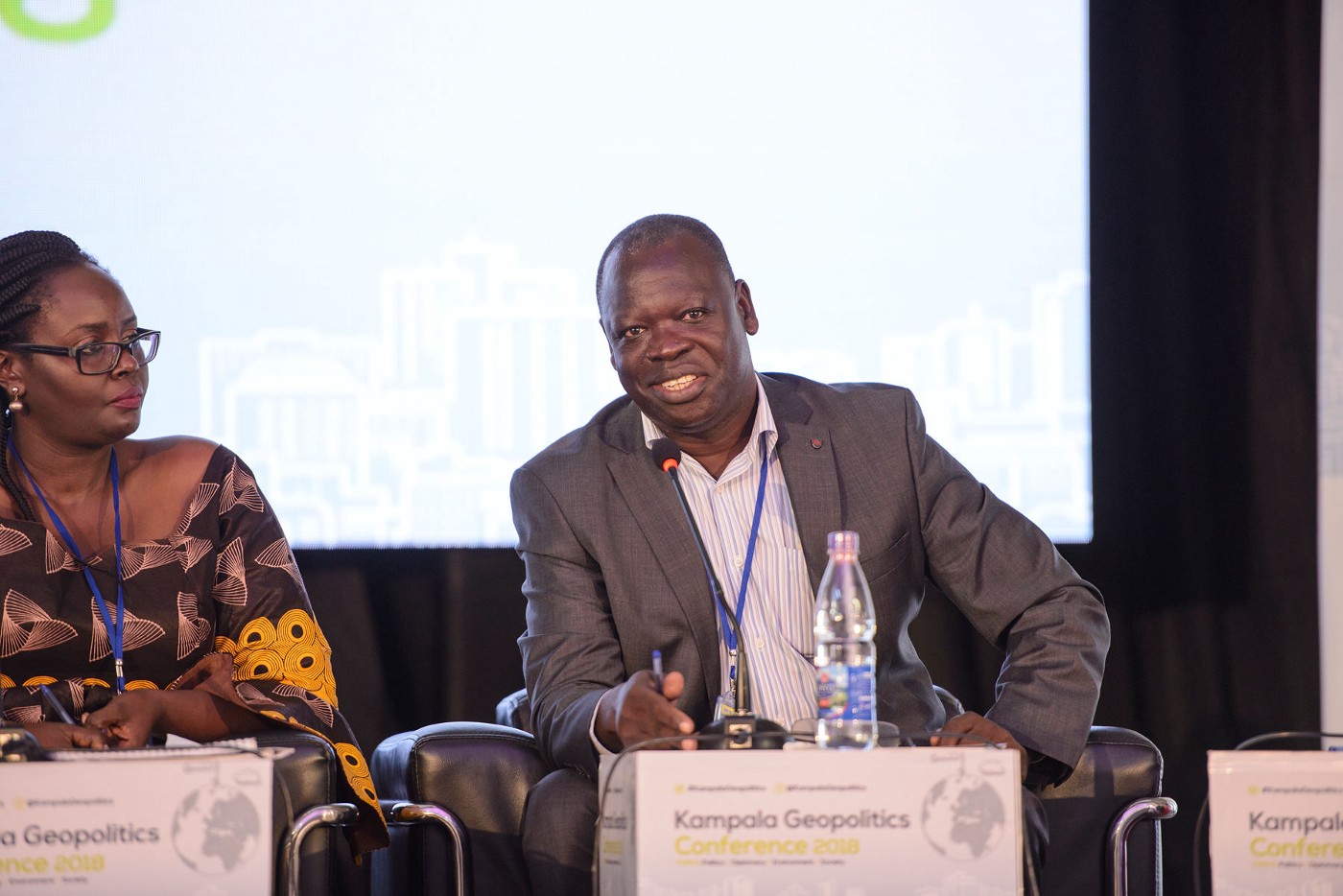
Milton Mutto, Executive Director, Pincer Training and Research Institute
“…people are asking, ‘why are we here? Why are we reaping little despite investing much?”
He said Uganda, and indeed Africa, is experiencing a generational transition in leadership, noting that it’s time up for leaders who took the mantle at independence.
“The people at the helm of power are afraid of what the future looks like and yet their ideas no longer work for young people. Our so-called leaders — what makes them strong is from elsewhere. These strong men have god parents elsewhere,” he said, adding that the influence of godfathers in the geopolitics of Africa cannot be discounted.
Mutto said Africa is rich but looting has reduced the wealth. “The narrative out there is that we are poor. We are poor but seated on gold.”
He added that as long as matters that are dear to the citizens are not dealt with, the voice of the citizen will find a way out.
Mutto rejected the idea of disaggregating the population as youth or women, arguing that doing so makes it easy for those in power to take advantage of such groups.
“Dismembering the population doesn’t work. The leaders of the system have cut a small cake and given to the youth. But we want the whole cake,” he reasoned.
Mutto said there is need to come up with a well thought out agenda for change.
Mareike Le Pelly, the Resident Director, Friedrich-Ebert-Stiftung, Uganda, noted that frustration with social economic factors is what drives the craving for populist leaders.

Mareike Le Pelley, Resident Director, Friedrich-Ebert-Stiftung Uganda
“At the core is poverty. Simple answers to complex questions are what populist agenda offers but not always what it seems. Look at Trump and his tax policies; it really benefits the rich.”
Education and putting power at the centre, are ways the continent can get back on track, she said. “Why are people not gathering around issues,” she wondered, and urged the youth not to wait for transport allowance before they can rally around a cause.
Samuel Carcangage, Researcher, IRIS, France, said we are in an ideological crisis “because people feel there are no alternatives”.
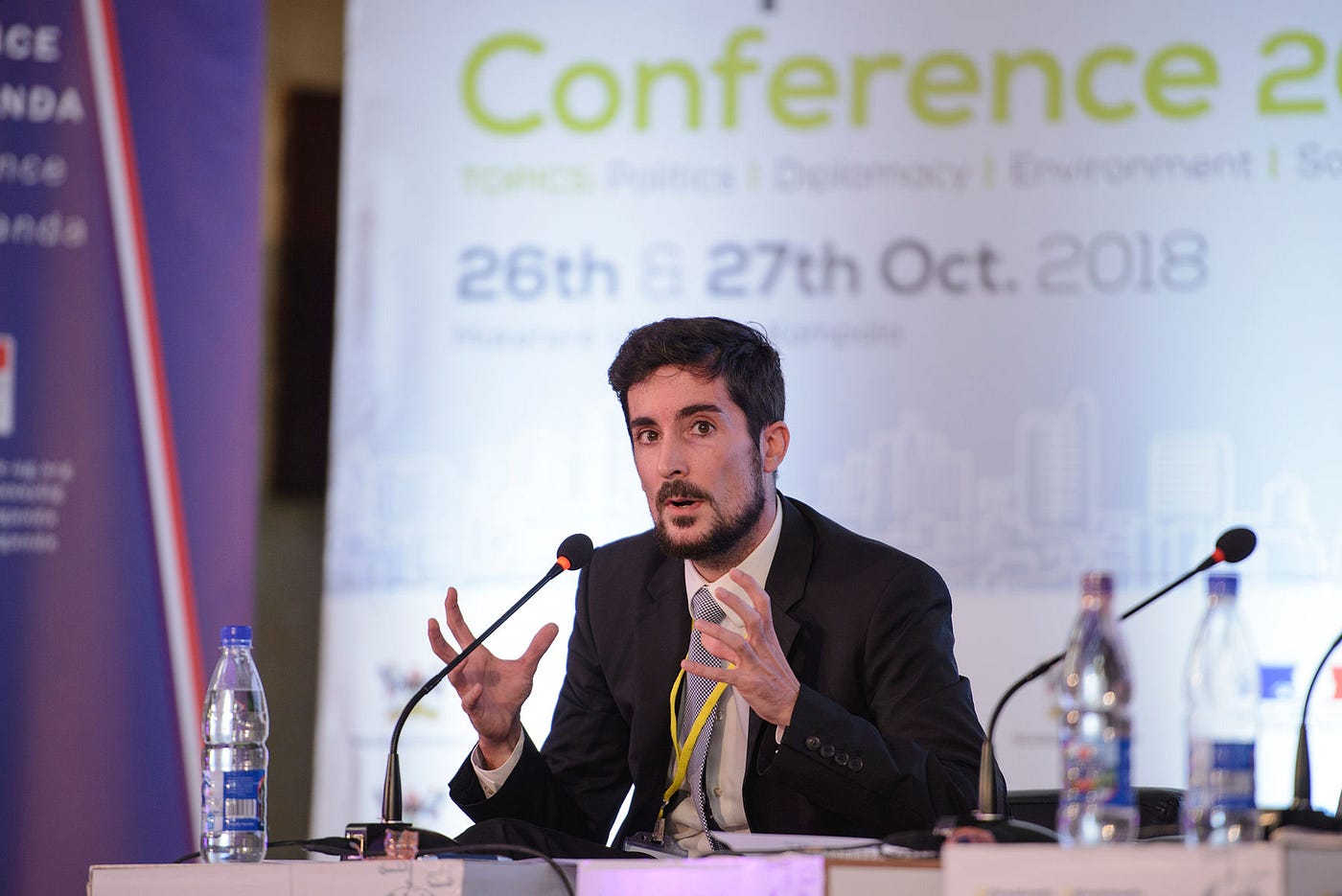
Samuel Carcanague, Researcher, IRIS, France
He cited the example of Russian President Vladmir Putin whom he said has his country’s interests at heart, even if he’s an alpha male leader.
“On the world stage, Putin is anti-establishment. He interrupts and questions world order. At home he is not anti-establishment because he is the establishment.”
Pascal Boniface, Founding Director, IRIS, France, concurred, noting that Putin has a long term vision of the world and his country. “Putin has given Russians national pride.”

Pascal Boniface, Founding Director, IRIS, France
Comparing Putin and Trump, Boniface said the latter doesn’t have a long term vision for America and is unrealistic.
“Trump is a sham. When he was elected, he was surprised. Trump is also nostalgic of the past. He is thinking of the 60s where women stayed home, didn’t have jobs and didn’t have a say.”
Boniface said if we are to fight populism, there’s need to understand the reason behind it.
Sarah Kasande Kihika, Head of Office Uganda, International Centre for Transitional Justice, brought a historical perspective to the issue.
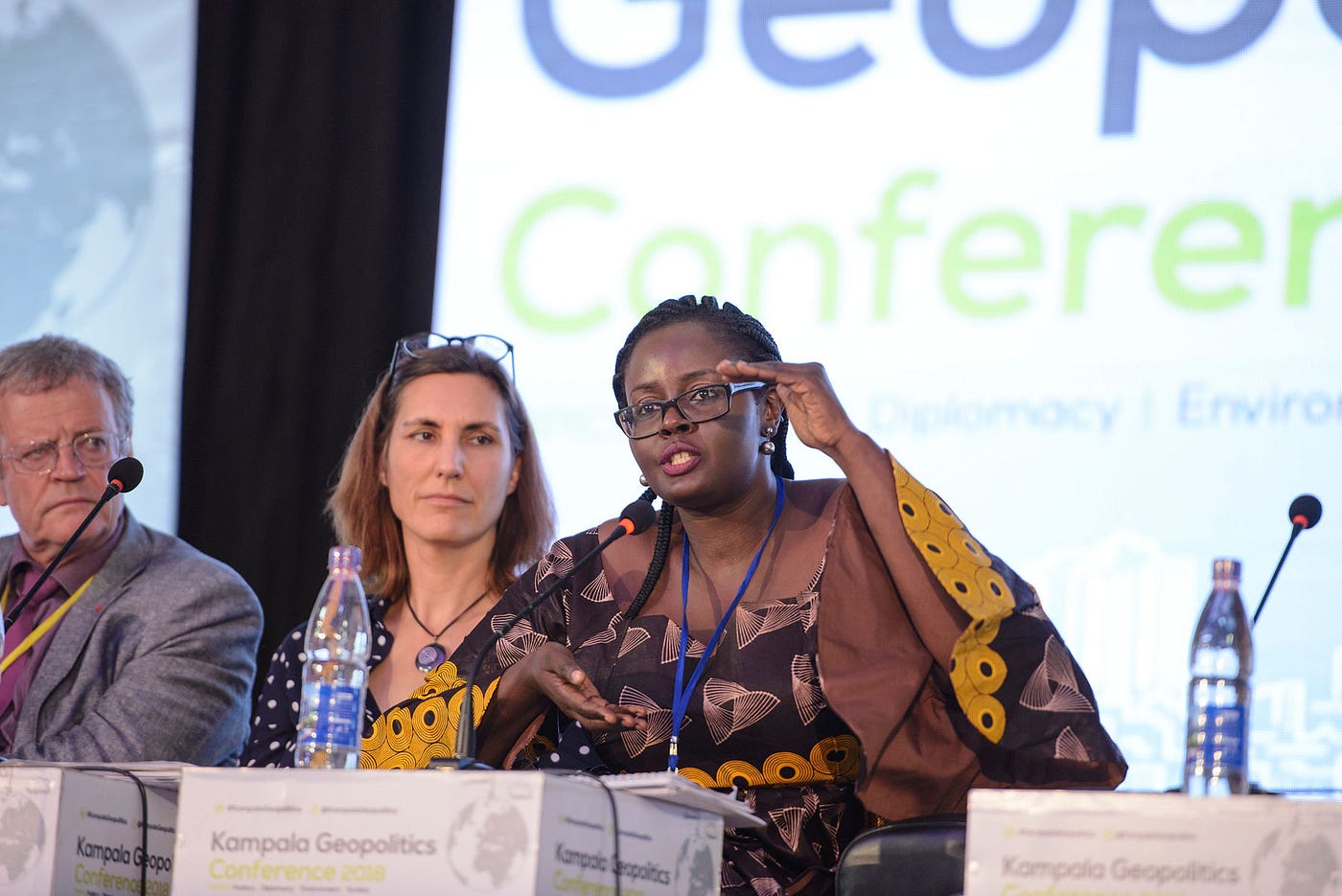
Sarah Kasande Kihika, Head of Office Uganda, International Centre for Transitional Justice
“Politics in Africa has had a masculine face,” she said, adding that since colonial times, male leaders were projected as powerful.
Kihika said male leaders created a cult following using a rhetoric of anti-imperialism and preserving the African culture yet they were preserving their status.
“In Africa, the strong men have learnt to use democratic tools to serve their interests, e.g., holding frequent elections.”
However, Kihika pointed out that the continent is witnessing “a wave of young people rejecting revolutionary narratives and male deities”.
She decried the lack of representation of young people in politics and the regression of human rights across the world, something she says is an implication of populist leadership.
“We shouldn’t discredit the involvement of youth in decision making. It’s important.”
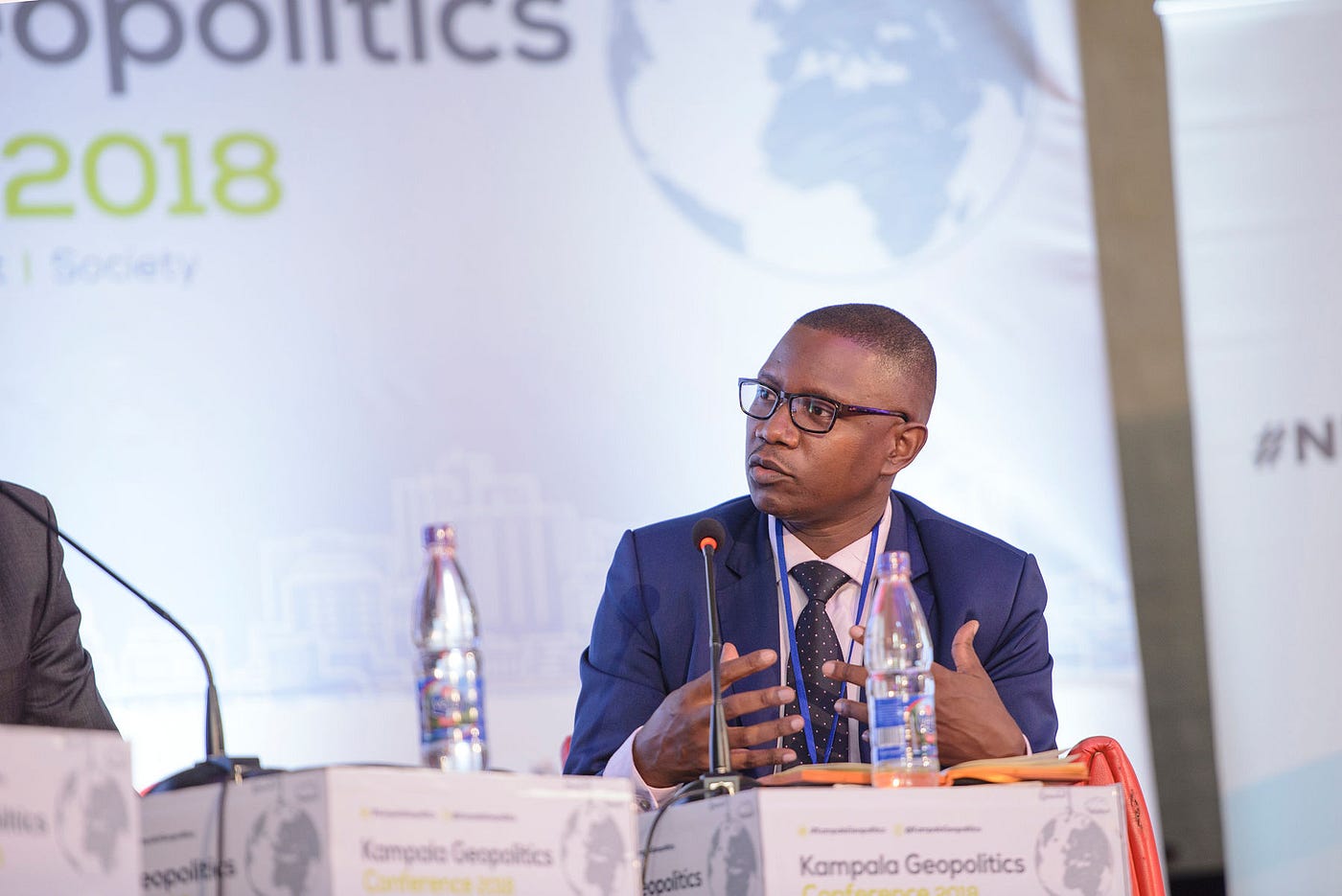
Moderated by Henry Kasacca, Executive Director, Dialogue and Democracy Trainings Centre